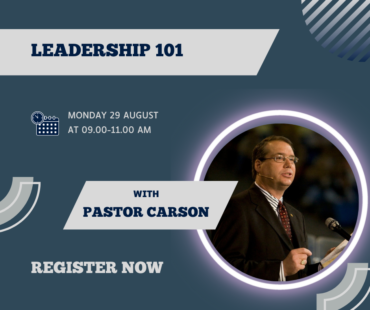
The Importance of Leadership in Christian Ministry
Module 2: Biblical Foundation for Christian Leadership
Biblical examples of leadership
Principles of Leadership in the Bible
The character of a Christian leader
Module 3: Spiritual Formation for Christian Leaders
What is spiritual formation?
Practices to foster spiritual growth
The Role of Prayer and Meditation in Leadership
Module 4: Leadership Styles in Christian Ministry
Different leadership styles
When to use various leadership styles
Biblical examples of different leadership styles
Module 5: Building and Leading Teams
The importance of teams in ministry
The stages of team development
Conflict resolution in teams
Module 6: Decision-Making and Problem-Solving
Approaches to decision-making
How to seek guidance from God
Biblical examples of decision-making
Module 7: Communication Skills for Christian Leaders
Speaking and listening skills
Written communication skills
Nonverbal communication skills
Module 8: Leading Change in Christian Organizations
The need for change
The process of change
Resistance to change
Module 9: Servant Leadership in Christian Ministry
What is servant leadership?
Characteristics of a servant leader
The Relationship between servant leadership and Christian Ministry
Module 10: Conclusion
Review of key concepts
Final thoughts on Christian leadership
Moving forward as a Christian leader.
Course Curriculum
40 Days of Training for Leaders
This module emphasizes the importance of self-discipline and integrity for leadership, using Apostle Paul's experience to illustrate how a lack of discipline can lead to disqualification or failure in ministry. The text compares leadership to driving a car, where the leader is the driver and responsible for directing the car's path while maintaining its maintenance. It encourages readers to differentiate between passengers and drivers and to note the difference between being a leader and a follower, especially concerning the responsibilities that come with being a leader.
This online course is designed for anyone interested in developing their leadership skills. It explores the ten habits that effective leaders practice on a daily basis. Students will learn how to establish clear goals and objectives, communicate effectively, develop emotional intelligence, exhibit self-discipline, build and maintain strong relationships, continuously learn and grow, empower and delegate, be decisive, lead by example, and build a support system.